Butcher Block or Quartz for the Prep Zone
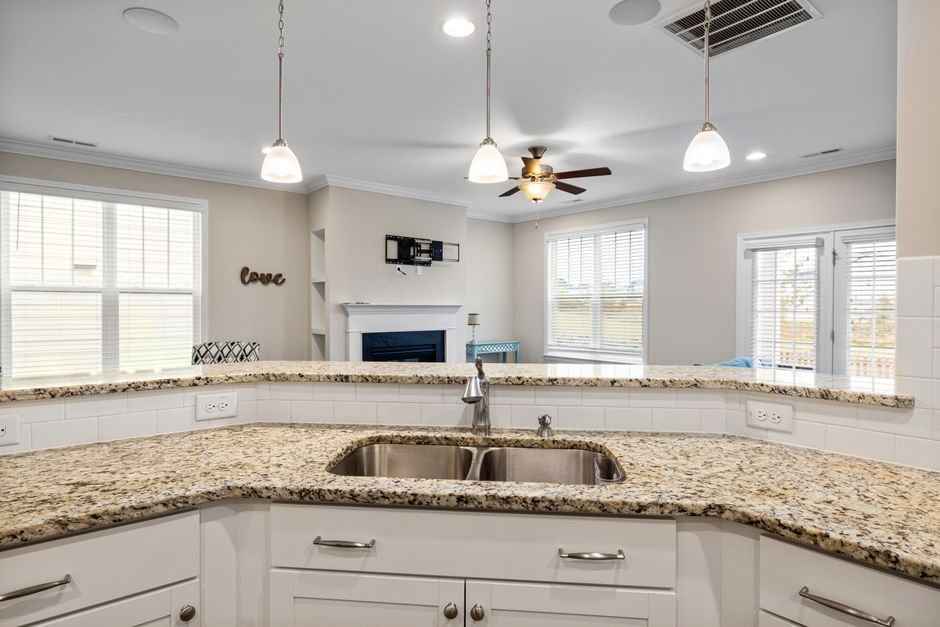
By the time the second onion is on the board, the prep zone has already shown how it handles a wet knife and a hot pan, as the notes at austin kitchen countertops vivant books describe. The stretch of kitchen countertop between the sink and the range in an Austin, TX home does most of the cooking work, and each material in that stretch behaves differently.
Knife work and cutting boards
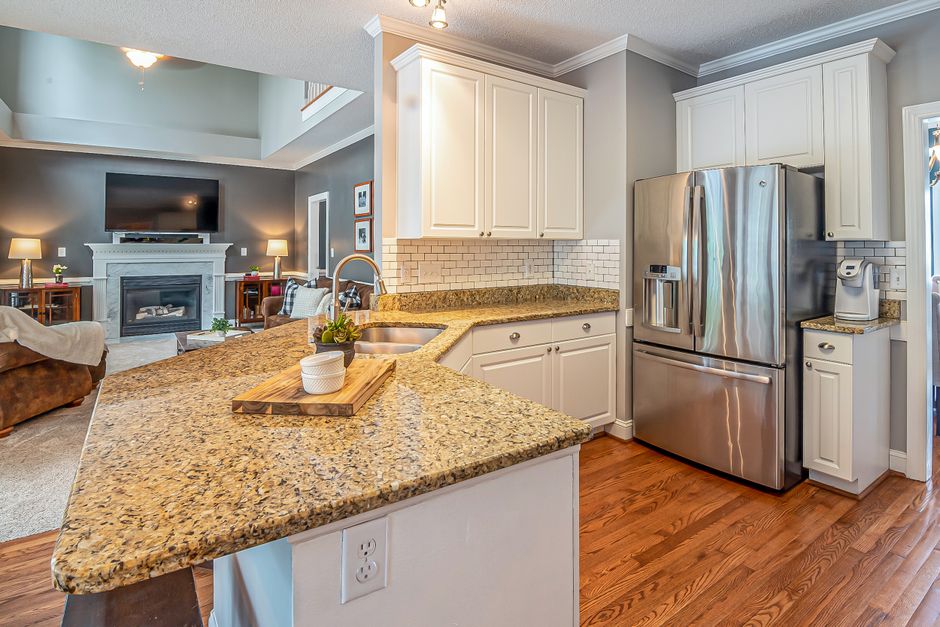
Butcher block is the one surface here that does not dull a knife, and a cook who chops straight on the counter prefers it for that reason. Granite and quartz wear an edge quickly, so a board is mandatory on them. Soapstone is softer and easier on a blade but scratches, which a little oil hides. A prep zone in butcher block sits well as an inset piece beside stone, so the wood takes the knife work and the stone takes the rest.
Hot pans
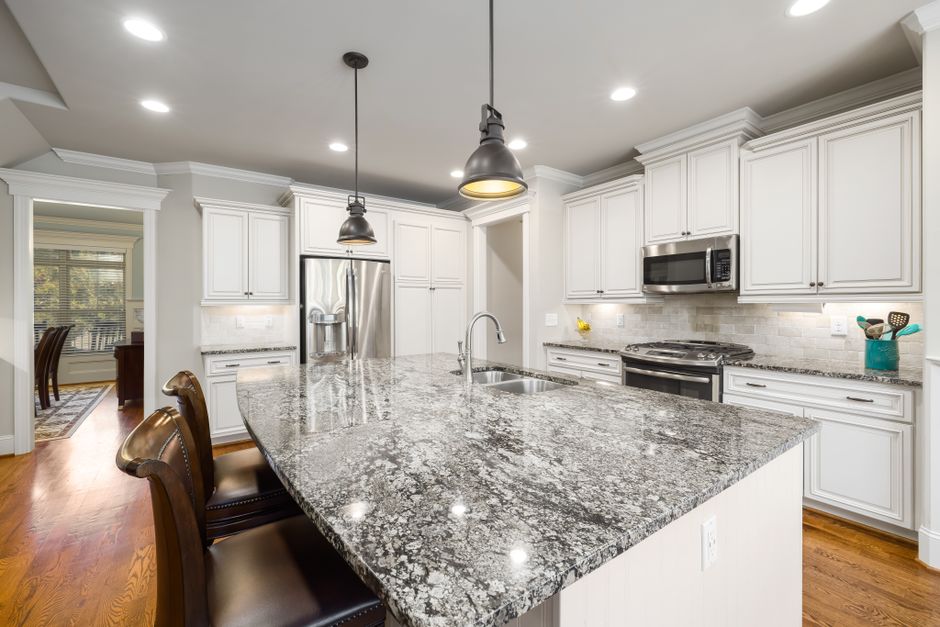
Granite and soapstone tolerate a pan off the burner far better than quartz, because quartz is resin bound and a very hot base can mark or crack it. Butcher block scorches. Every material wants a trivet for a pan straight off a high flame. Placing the prep zone one cabinet away from the range, not against it, reduces how often that decision comes up.
Wet boards and sealing
The prep zone sits next to the sink, so water pools on it. Butcher block needs mineral oil on a regular schedule and a sealed edge at the sink cutout, or the wood swells and cups. Granite wants a penetrating sealer, quartz none, and soapstone takes oil and darkens. Marble etches from lemon juice and tomatoes, which cooks leave on a board, and most quartzite resists but should be tested on a sample.
How the zone is laid out
The working triangle runs sink to range to refrigerator, and the prep zone is the stretch along its longest leg. About three feet of clear surface is enough for one cook, and that stretch is best without a seam. Placing a seam at the end of the run, or beside a corner, is a decision made at the template, not in the shop.
Heat and humidity in Austin kitchens
Summer humidity near the Colorado River moves wood faster than a dry climate does, so a butcher block prep zone in an Austin kitchen wants a sealed underside and edges, a gap at the wall, and a stable cabinet underneath. Laminate and solid surface in the same room hold their dimensions better, which is why mixed layouts are common.